SUMMARY
A technical and trade comparison between Turkish Tundra Grey and Iranian Pietra Grey: spatial daylight diffusion, calcite scratch visibility, and FOB export reliability.
The global demand for grey natural stone continues to define modern luxury architecture. Designers seeking sophisticated, mood-defining interiors frequently compare two prominent Middle Eastern stones: Turkish Tundra Grey and Iranian Pietra Grey (Lashator).
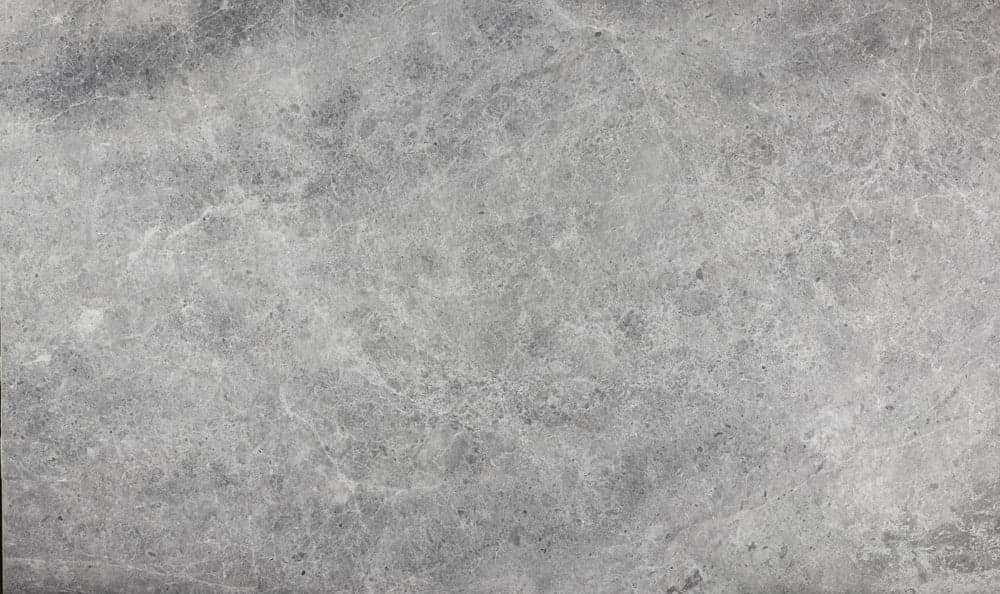
While both stones feature striking white calcite veining across a grey matrix, their spatial light dynamics, maintenance behaviors, and supply chain logistics are completely distinct.
1. Aesthetic Atmosphere: Light Dispersion vs. Moody Charcoal
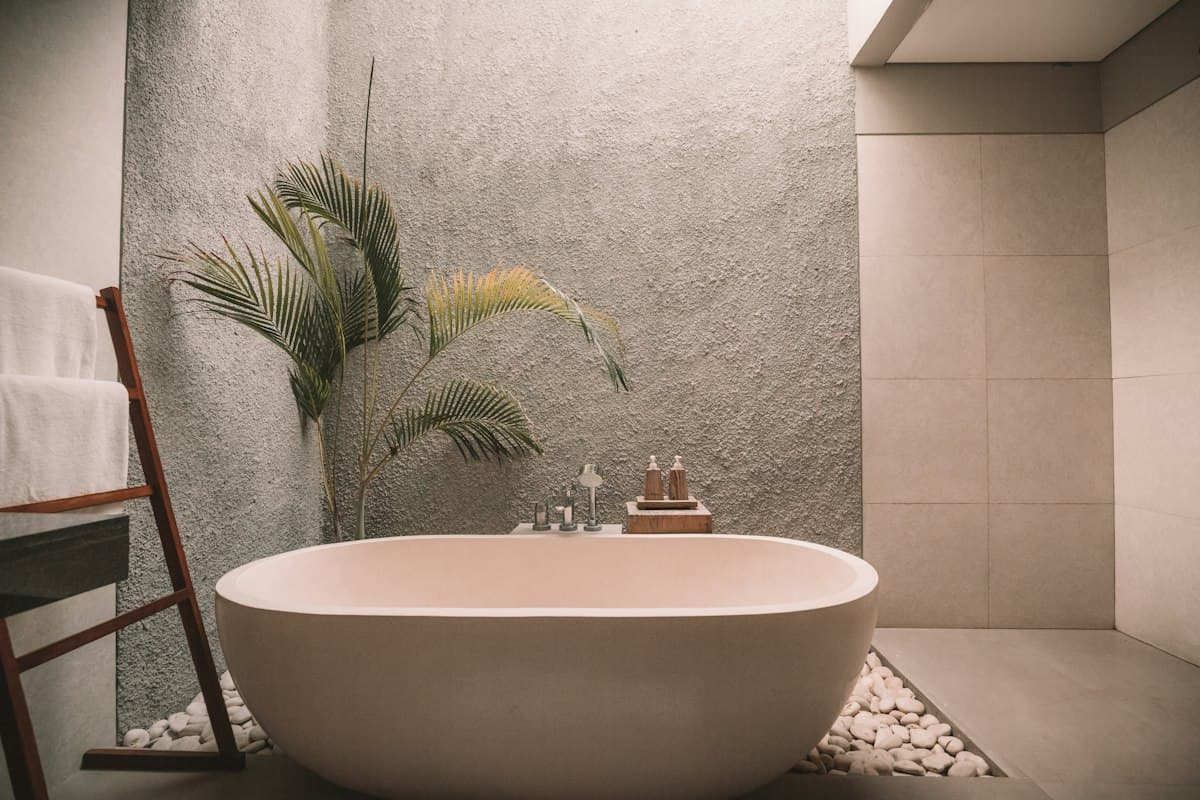
The primary architectural distinction between Tundra Grey and Pietra Grey is their interaction with ambient daylight:
| Architectural Metric | Turkish Tundra Grey | Iranian Pietra Grey |
|---|---|---|
| Background Tonal Value | Light to medium dove grey, silver ash | Dark graphite, charcoal to near-black |
| Vein Dynamics | Delicate, multi-directional spiderweb mesh | Linear, high-contrast unidirectional white veins |
| Spatial Light Effect | Reflects daylight, expands visual room boundaries | Absorbs light, creates dramatic, moody enclosed spaces |
| Scratch & Etch Visibility | Very Low (Scuffs blend into light grey matrix) | High (Surface abrasions leave white chalky marks) |
| Trade & Banking Reliability | 100% Seamless FOB Turkish Ports; standard international Letters of Credit (LC) | International banking sanctions, complex transit logistics |
Pietra Grey's dark graphite body absorbs ambient light, making spaces feel dramatic and intimate. However, in expansive commercial floor areas or rooms with limited natural light, dark stone can feel somber.
Tundra Grey acts as a luminous neutral canvas. Its silvery dove background diffuses daylight evenly across expansive floor plates, giving rooms an airy, serene expansiveness.
2. Maintenance and Scratch Visibility in High-Traffic Flooring
All calcium-based marbles are susceptible to micro-abrasions from sand, grit, and foot traffic. However, how the stone ages under footfall differs drastically: - Pietra Grey: Because the stone matrix is dark charcoal, any surface abrasion crushes microscopic calcium carbonate crystals into a chalky white powder. Over time, high-traffic pedestrian paths appear visibly dull and scratched unless frequently re-polished. - Tundra Grey: The soft dove-grey background closely matches the optical tone of crushed calcite dust. Everyday foot-traffic micro-scuffs remain virtually invisible to the naked eye, preserving the stone's immaculate visual appearance in commercial hotels and retail showrooms.
3. Supply Chain Security and Trade Finance
For international property developers and corporate contractors, supply chain predictability is as critical as aesthetic beauty: - Turkish Tundra Grey: Exported directly from major modern container terminals (Izmir, Antalya, Mersin) under standard international FOB terms. Commercial transactions occur seamlessly via international banking systems, verifiable Letters of Credit (LC), and direct maritime routes. - Iranian Pietra Grey: Project procurement frequently encounters international trade embargoes, complex third-party transit routes, and restricted banking channels.
4. Recommended Architectural Placements
- Tundra Grey Recommendations: Large-scale hotel lobby flooring, luxury residential living areas, master bathroom walls, and 4-way bookmatched focal points.
- Pietra Grey Recommendations: Accent powder rooms, cocktail bar fronts, and moody executive cigar lounges where high-contrast dark tones are intentional.
Explore our Tundra Grey collection or contact our commercial sales desk for FOB container pricing.
Specify & Source Direct from Turkish Quarries
Burdur Marble exports high-density calibrated slabs and cut-to-size micro-beveled tiles with certified TS EN laboratory standards and FOB container logistics from Izmir and Mersin ports.
Tundra Grey vs. Iranian Pietra Grey