RÉSUMÉ RAPIDE
Comparez le marbre et le travertin pour découvrir lequel est le meilleur pour votre projet.
When planning a renovation or design project, choosing the right material is crucial. Both marble and travertine are timeless natural stones, but they offer distinct characteristics.
Formation and Appearance
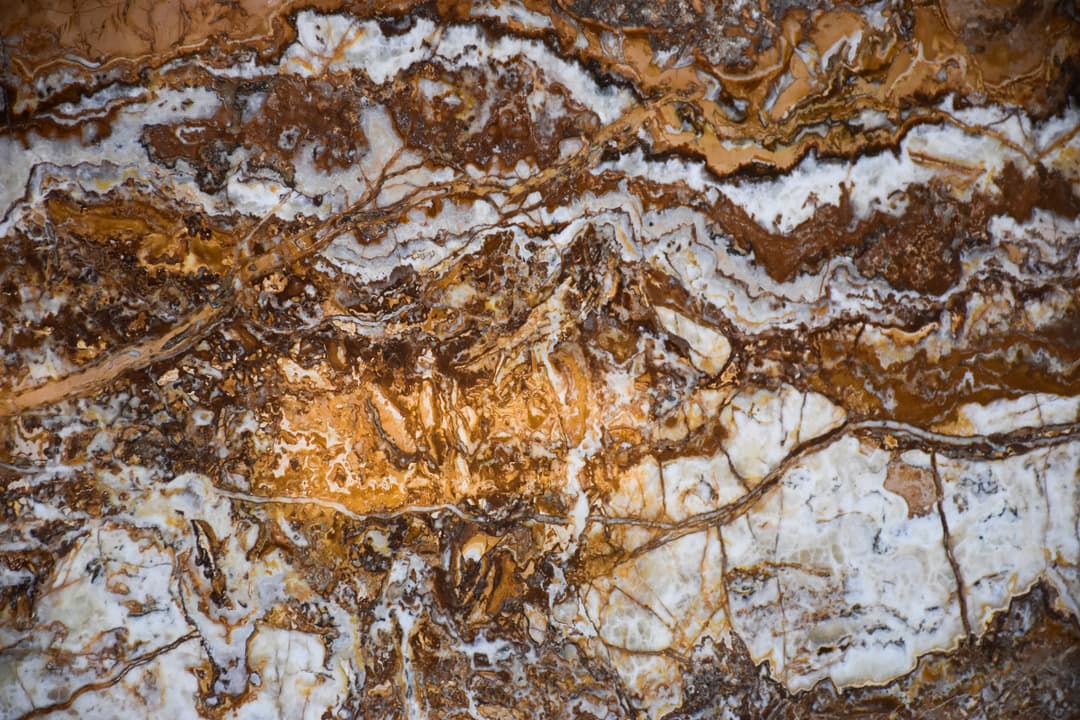
Marble is a metamorphic rock formed from limestone under intense heat and pressure, resulting in its signature crystalline texture and elegant veining. Travertine, on the other hand, is a sedimentary stone formed in hot springs, known for its rustic, porous texture and warm, earthy tones.
Key Differences
- Durability: Marble is generally denser and harder, making it highly durable for indoor areas. Travertine is also durable but possesses natural voids that require sealing.
- Aesthetic: Marble offers a sleek, luxurious, and polished look. Travertine brings a warm, rustic, and organic feel to spaces.
- Maintenance: Both stones require sealing, but travertine's pores need extra attention to prevent dirt buildup.
Making the Choice
For sophisticated indoor floors, fireplaces, or countertops, premium Burdur Beige marble is a spectacular choice. If you prefer a warm, textured look for floors or patios, Light Travertine is the way to go.