SUMMARY
Discover the key differences between natural marble and artificial marble (cultured or engineered stone), including visual traits, hardness, heat resistance, and easy testing methods.
When selecting marble for luxury residential or commercial projects, one of the most critical decisions is choosing between genuine natural marble and artificial (engineered or cultured) marble. While artificial marble imitates the appearance of natural stone, key geological and physical differences set them apart.
What is Natural Marble?
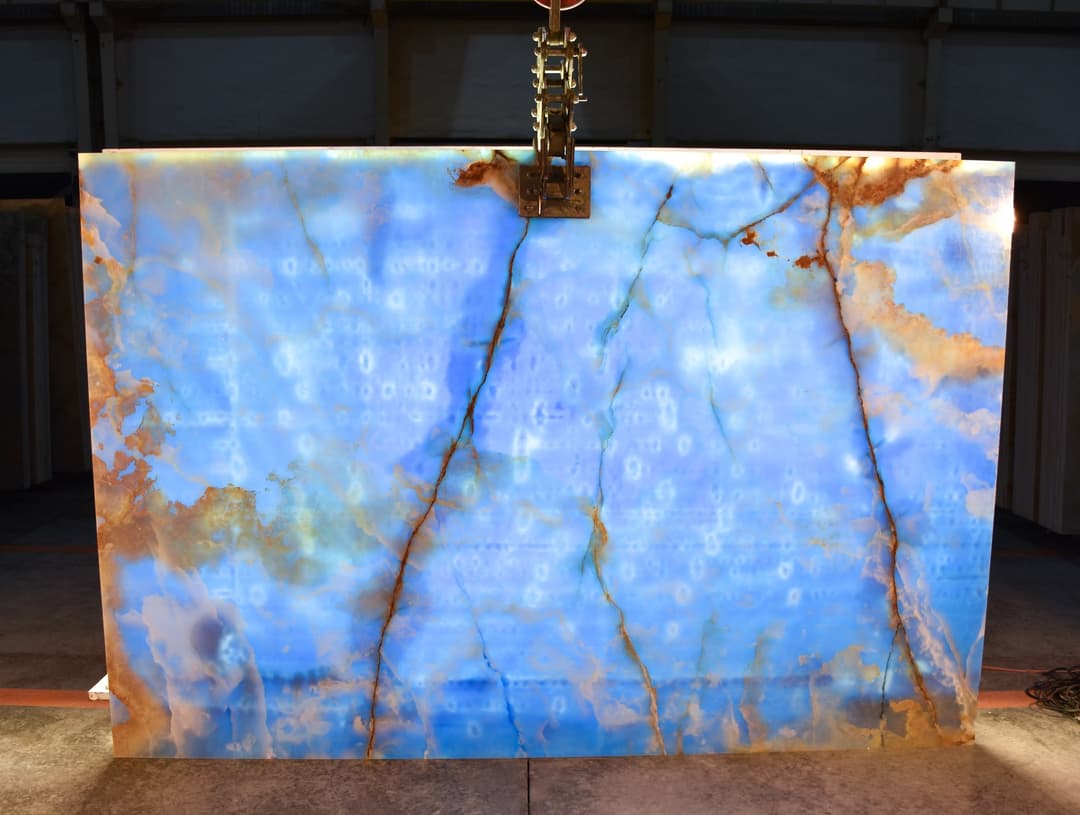
Natural marble is a metamorphic rock formed deep within the earth over millions of years through intense heat and pressure on limestone or dolomite. This process creates a dense, crystalline stone with unique veining patterns, translucency, and natural color variations. Every slab of real marble stone is an irreplaceable work of nature.
Key Differences Between Natural and Artificial Marble
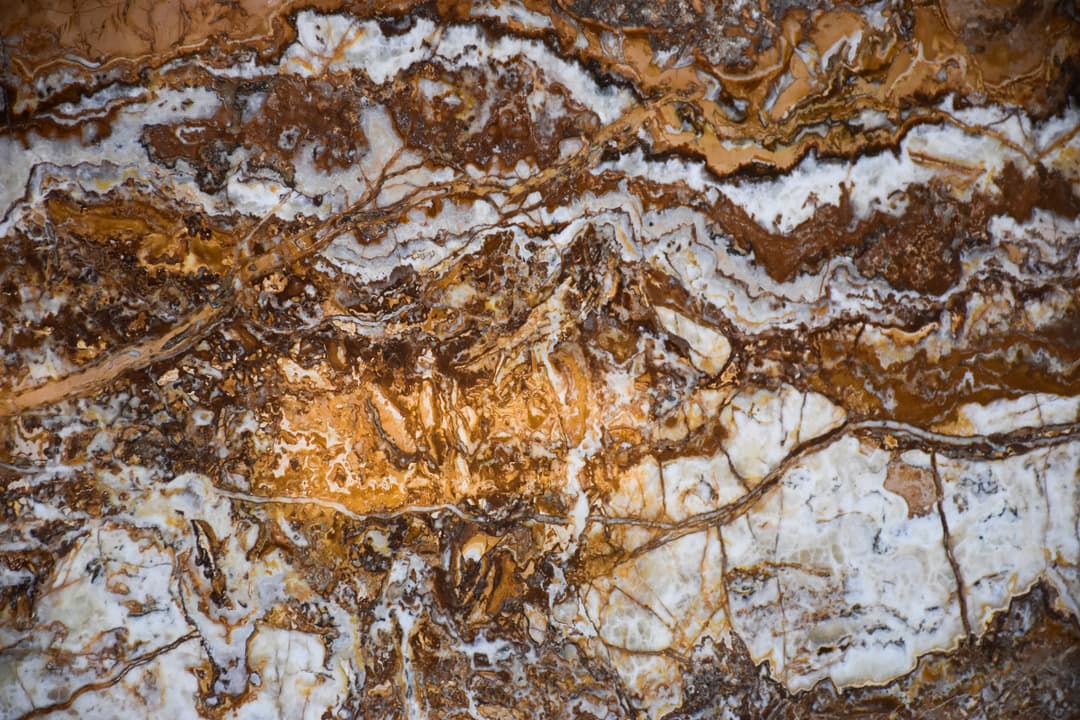
- Visual Patterns: Natural marble features unique, irregular veining patterns that never repeat. Artificial marble uses synthetic resins and printed pigments, resulting in repeating or uniform patterns.
- Heat Resistance: Real natural marble is exceptionally heat-resistant, making it ideal for fireplace surrounds and pastry rolling. Artificial marble contains plastic resins that can scorch or discolor when exposed to high heat.
- Surface Temperature: Natural marble always feels cool to the touch due to its thermal conductivity, whereas artificial marble warms quickly to room temperature.
- Scratch and Etch Resistance: Natural marble can be etched by acidic substances like lemon juice or wine if unsealed, but its surface can be re-honed or polished. Artificial marble resists etching but can scratch permanently if resin layers are damaged.
How to Tell if Stone is Real Marble
- The Touch Test: Genuine natural marble feels noticeably cool to the touch even in warm rooms.
- The Veining Inspection: Look closely at the depth of the veining. Natural veining runs deep into the stone's crystalline structure, rather than sitting on a surface print.
- The Acid / Water Test: Unsealed natural marble absorbs water drops slowly and reacts mildly to diluted acid, whereas resin artificial marble is non-porous and chemically inert.
For project sourcing of authentic natural stone, explore our Afyon White, Burdur Beige, and wider Turkish natural stone collections.